High-Converting Homepage Copy: 11 Steps to Boost Conversions

Your homepage is the heart of your online presence. It’s the first page people see, the place where expectations are set, and often the deciding factor between staying and leaving. In the digital world, first impressions matter more than ever—which is why writing high-converting homepage copy is a skill every business needs.

At Webbldr, we help brands create powerful messaging that instantly grabs attention, engages readers, and persuades them to take action. Whether you’re improving your website homepage content or learning how to write homepage copy, this guide walks you through everything needed to create copy that informs, inspires, and converts.

1. Know Your Audience Before You Start Writing

Before typing a single line, get clear on who you’re writing for. Understanding your audience helps shape your tone, style, and message. When your writing reflects their needs and desires, your homepage feels instantly relevant.

Ask yourself:

  • What problem brings visitors to my website?
  • What outcome are they really looking for?
  • What words, tone, or messaging style connects with them?

This clarity helps you create customer-centric website messaging, which is the foundation of trust. It also improves the homepage user experience because visitors feel understood immediately.

When visitors feel, “This business gets me,” conversions naturally increase.

2. Craft a Strong, Benefit-Focused Hero Section

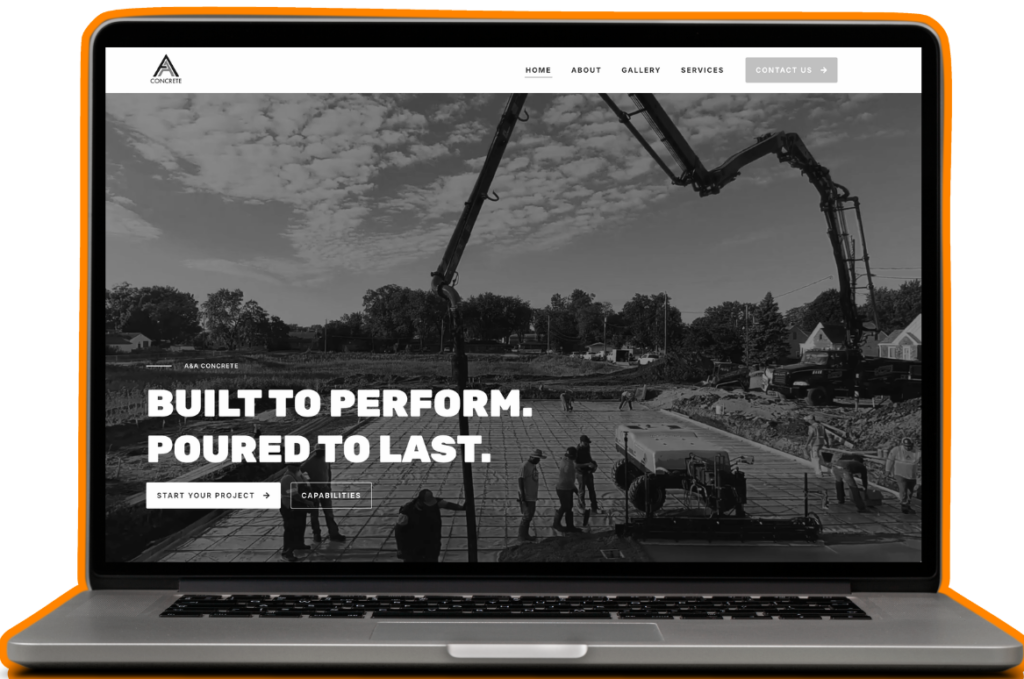
Your hero section is the first piece of content people see at the top of your homepage. It must be clear, emotional, and strongly benefit-driven.

A strong hero section includes:

  • A powerful headline
  • A short supporting subheading
  • A clear value statement
  • A main CTA (such as “Start Your Project”)

This relates to crafting a compelling hero section, an essential element of persuasion on your homepage.

If your hero section fails to connect, even great content below might never be seen.

3. Highlight Your Unique Value Proposition Clearly

Your homepage value proposition should answer:

  • What makes you different?
  • What can customers expect?
  • Why should they trust you?

Avoid vague statements. People want clarity, not generic promises.

Example of a weak value prop:
“We offer excellent digital services.”

Example of a strong one:
“We help businesses grow with conversion-focused websites designed to attract, engage, and convert more customers.”

A strong value proposition helps greatly in building trust with homepage content and increases the chance of conversion.

4. Make Your Homepage Easy to Scan and Navigate

Modern visitors scan more than they read. That’s why your homepage should use:

  • Bullet points
  • Subheadings
  • Short paragraphs
  • Visual cues (icons, images, checkmarks)

Skimmable structure makes your content feel light, clear, and friendly. This is a major part of creating user-friendly website copy that keeps visitors on the page longer.

Improved usability directly boosts conversions because visitors feel guided and supported instead of overwhelmed.

5. Use Trust-Building Social Proof Throughout the Page

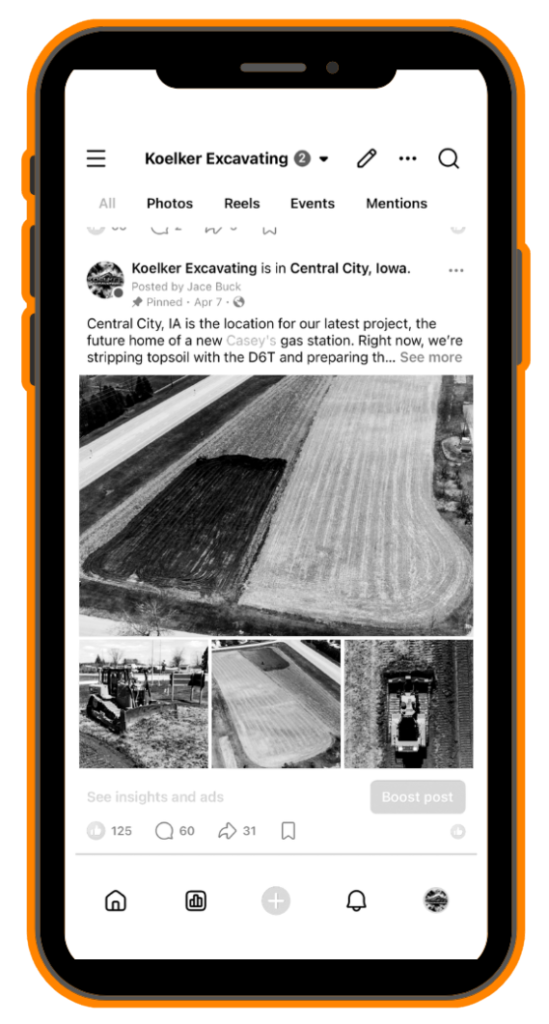
When visitors see proof from real customers, their confidence grows. Social proof reduces hesitation by showing that others have already had great experiences with your brand.

Effective types of social proof:

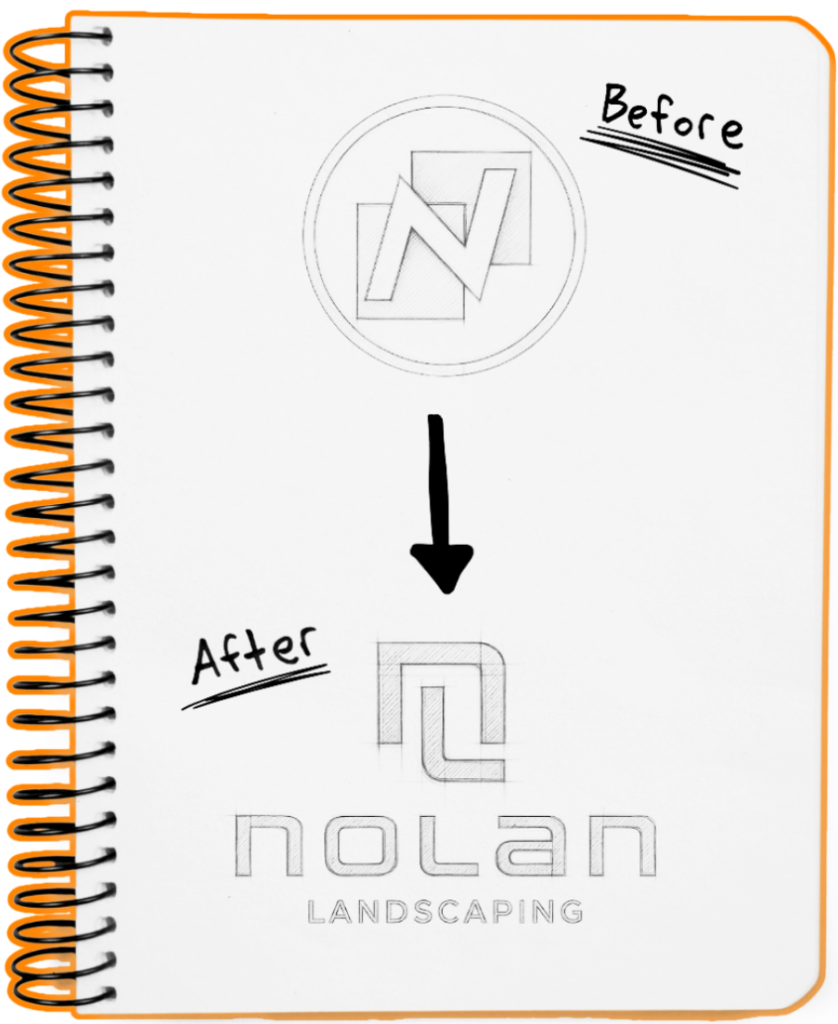
  • Before/after case studies
  • Customer stories
  • Screenshots of positive reviews
  • Third-party ratings
  • Industry awards

This type of content is essential for writing persuasive website content because it uses real-world validation to strengthen your messaging.

Adding social proof at multiple points on your homepage also supports how to engage visitors on a website by keeping them emotionally connected.

6. Use Multiple CTAs to Guide Visitor Action

A homepage should never rely on just one CTA button. People arrive at different moments of readiness. Some want to act immediately, while others need more information.

Place CTAs:

  • In the hero section
  • After your value proposition
  • After benefits/features
  • Near testimonials
  • At the bottom of the page

Examples of strong CTAs:

  • “Get a Free Strategy Call”
  • “See Our Work”
  • “Start Your Website Project”

A clear call-to-action for the homepage helps visitors know exactly what to do next, improving your chances of how to increase website conversions.

7. Write Benefit-Driven, Emotionally Engaging Copy

To improve conversions, focus on content that boosts conversions by making the visitor feel understood and supported. This means writing:

  • Benefits before features
  • Simple sentences
  • Emotionally driven language
  • Positive, confident tone

Example:

Feature: “We offer SEO-friendly websites.”
Benefit: “Get found easily and attract customers who are already looking for your services.”

This approach improves storytelling in website copy and increases the emotional impact of your message.

8. Use Storytelling to Make Your Brand Memorable

People connect with stories more than facts. Adding a simple brand story or customer success story helps make your homepage feel more human and relatable.

Your story doesn’t have to be long. A few lines about your journey, mission, or values instantly build trust.

Storytelling supports website copywriting tips by helping your content feel authentic and memorable.

9. Keep Your Language Simple, Conversational, and Human

Visitors don’t want complex words or jargon. They want clarity. They want someone who speaks directly to them.

To make your writing conversational:

  • Use “you” and “your” often
  • Use short sentences
  • Avoid filler words
  • Be direct and friendly

Simple writing improves homepage user experience and makes your copywriting for websites feel accessible to everyone.

10. Optimize for SEO Without Hurting Readability

SEO helps bring traffic to your homepage, but readability keeps that traffic engaged. Use your keywords—like high-converting homepage copy, homepage copywriting tips, and how to write homepage copy—in natural places throughout your content.

Supporting keywords like conversion-focused homepage copy, website homepage content, and copywriting for websites help search engines better understand your page.

Avoid keyword stuffing—Google punishes it, and readers dislike it.

11. Test, Improve, and Continuously Refine

High-performing homepages evolve over time. Testing helps you understand what visitors respond to most.

Some things you can A/B test:

  • Headline variations
  • CTA text and placement
  • Images vs. illustrations
  • Short vs. long introductions
  • Testimonials placement

Testing improves your strategy for how to increase website conversions, helping your homepage get better month after month.

Conclusion

Your homepage is more than a digital welcome—it’s a powerful conversion tool when written correctly. By focusing on clarity, trust, storytelling, and strategic messaging, your homepage can attract, engage, and convert visitors effortlessly.

To create effective, conversion-focused homepage copy, remember to:

  • Start with audience understanding
  • Build a strong hero section
  • Craft a compelling homepage value proposition
  • Add social proof
  • Use multiple CTAs
  • Keep your language simple
  • Apply SEO strategically
  • Continuously optimize

At Webbldr, we create homepages that do more than look good—they engage, persuade, and convert. It’s time to make your website work smarter for your business.

Ready to boost your conversions? Partner with Webbldr and turn your visitors into loyal customers.